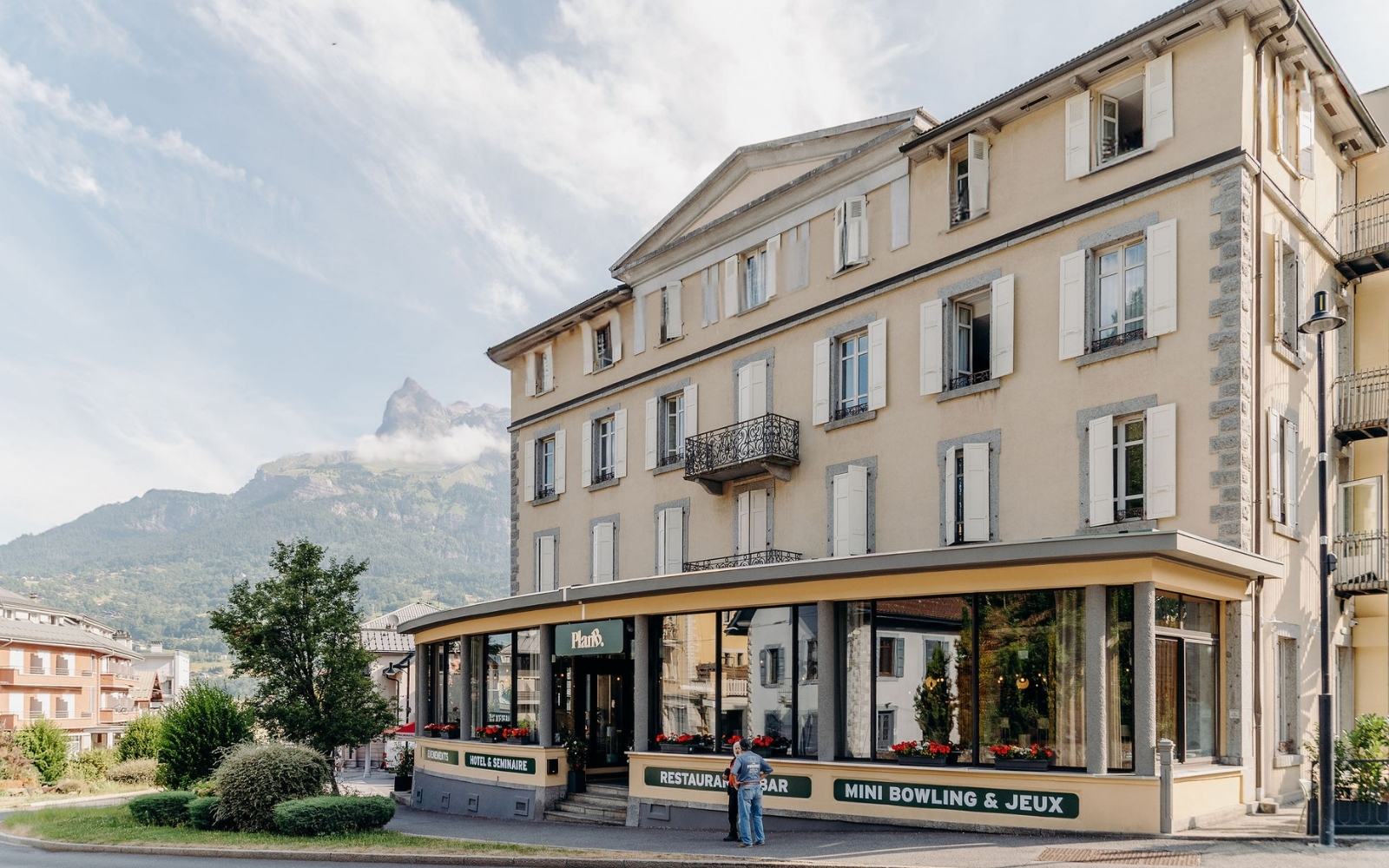
At PlanB, commitment isn’t just lip service. It’s a daily commitment, made up of concrete, sincere actions tailored to our scale. Our CSR approach is built around three complementary pillars: environmental, social, and community. The goal is simple: to reduce the hotel’s environmental impact while actively contributing to local life and the well-being of our teams.
To make progress toward sustainable tourism, it is essential to measure its impact. With this in mind, PlanB has adopted the FairScore assessment framework, developed by FairMoove.
FairScore is a rating system that measures the environmental footprint of a hotel stay, including breakfast. This method is based on concrete, verifiable indicators that analyze several key aspects of hotel operations: energy consumption, water use, waste management, and food sourcing.
For a hotel committed to a CSR initiative, this tool serves as a powerful driver of continuous improvement. It helps identify areas for improvement and adapt practices to gradually reduce the hotel’s environmental impact.
At PlanB, this assessment is part of our commitment to transparency and continuous improvement: we aim to understand how we operate in order to make lasting improvements to our practices.
Beyond assessments and metrics, our commitment to the environment is reflected above all in concrete actions taken as part of the hotel’s day-to-day operations.
Water management, for example, is a key challenge for a sustainable hotel. In the guest rooms, the showers are equipped with the Luniwave system, which reduces water consumption while maintaining optimal comfort for guests.
Resource management also involves the use of eco-labeled cleaning products that are micro-dosed and diluted on-site. This approach helps minimize packaging waste while reducing the environmental impact of the products used.
Waste management is also a priority. PlanB is implementing a systematic waste sorting program and awareness-raising initiatives for its teams. A compost bin is also used to recycle organic waste.
These initiatives are part of a straightforward approach: reducing the hotel’s environmental footprint while improving day-to-day practices.
An eco-friendly hotel is about more than just energy and water management. The origin of the products offered to guests also plays a key role.
At PlanB, we prioritize short supply chains and local producers whenever possible. Whether for breakfast or in the kitchen, many of our products come directly from the region. Les Confitures de la Création, for example, are made in Passy, just a few kilometers from the hotel.
In the guest rooms, the amenities are from the Terre de Mars brand, an eco-certified line manufactured in Haute-Savoie. This choice allows us to offer high-quality products to our guests while supporting local, sustainable production.
PlanB’s CSR approach is not limited to environmental issues. It is also part of a commitment to actively participate in the life of the local community.
The hotel regularly supports local athletes and organizations, thereby contributing to the valley’s vibrant sports and cultural scene.
This commitment also extends to our teams. As part of an internal CSR program, several initiatives are offered to employees, including coverage for smoking cessation programs and access to a gym. The goal is to promote the well-being of our teams and encourage healthier lifestyles.
At PlanB, our commitment isn’t just a list of actions. Above all, it’s an evolving process that has been built over time. Sustainable tourism is based on continuous improvement: analyzing our practices, testing new solutions, and gradually moving toward more responsible models. At our level, we strive to contribute to this evolution by developing a hospitality industry that is more sustainable, more locally focused, and more mindful of its impact.
At PlanB, every trip reflects this commitment: to offer an authentic mountain experience while taking care of the local environment.
A sustainable hotel seeks to reduce its environmental impact while having a positive impact on the local community.
CSR (Corporate Social Responsibility) involves integrating environmental, social, and community issues into hotel management. It aims to reduce the hotel’s environmental impact while improving staff well-being and strengthening its ties to the local community.
FairScore, developed by FairMoove, is a system that assesses the environmental footprint of a hotel stay, including breakfast. It analyzes factors such as energy and water consumption, food, and waste management.
Measuring your environmental impact helps identify the main areas of consumption and improve your practices. It is an essential tool for advancing sustainable tourism initiatives.
An eco-friendly hotel can reduce its water and energy consumption, use eco-labeled cleaning products, implement waste sorting, and prioritize local products.
Local products reduce the environmental impact of transportation, support local producers, and offer customers a more authentic experience.
Yes. Choosing a hotel committed to sustainability encourages the development of a more responsible hospitality industry and supports local initiatives.